Gulf of Papua.
Southern Papua New Guinea · Since forever

Where four rivers meet the sea.

A timeless coast of mangrove deltas, longhouse villages and banana-prawn waters — one of the least travelled shores on earth, and one of the most alive.

Papuan Gulf Delta · Kikori River Basin

This is a timeless coast, shaped by ancient rhythms. The tide comes in through five kilometres of mangrove root. The rivers carry the highlands to the sea in their own time. What we offer here are ways to meet that pace — a fishing charter, a village stay, a wooden boat down a delta channel, a table of what came in this morning.

§ Journeys

Five ways to arrive.

Each of these can be booked as a stand-alone day, or woven together into a week. All journeys are run with community operators — you are their guest, and the fee stays on this coast.

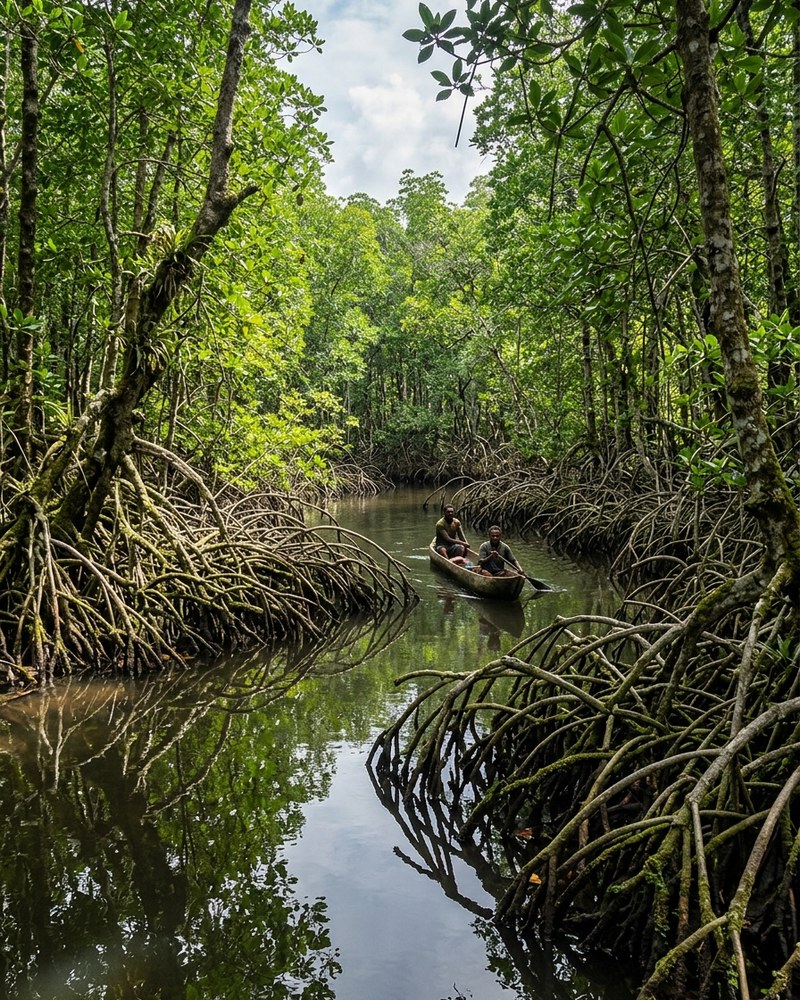
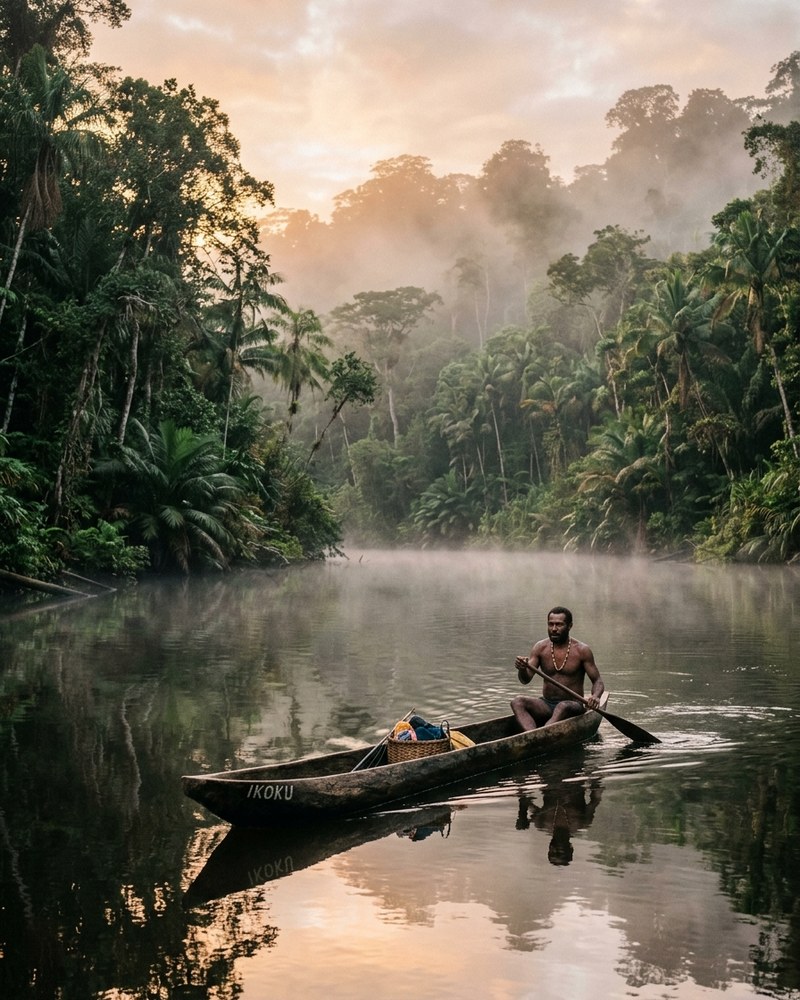
A wooden longboat pushing up the Kikori River at first light, with mist on the water and dense jungle canopy
Journey 01

Up the Kikori by wooden boat.

Two days into the delta interior, sleeping one night in a riverside village. You'll cross five channels, see the salt water give way to fresh, and find the country that fed the Elema for centuries.
Duration2 days · 1 night
SeasonMay–October
Group2–6 travellers
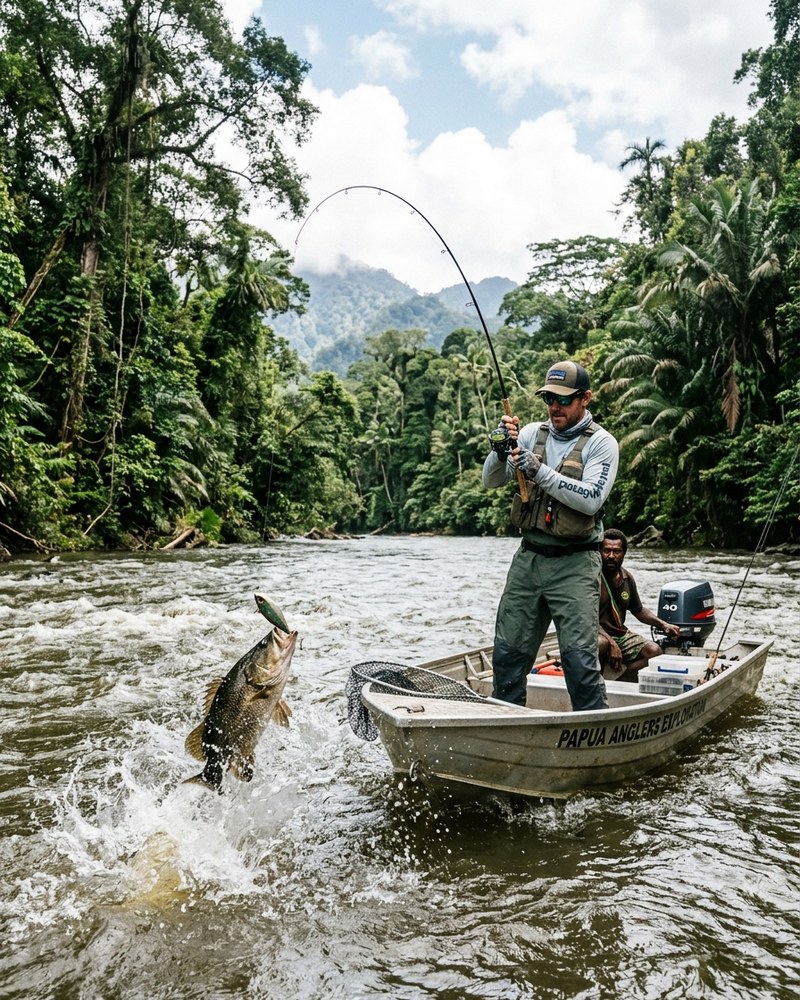
Wild river sport fishing expedition in remote Papuan estuary waters
Journey 02

Fishing the Papuan black bass.

The Gulf of Papua's estuaries and river mouths are one of the last strongholds of the Papuan black bass — a fish widely rated among the world's toughest freshwater fighters. Multi-day charters run from Baimuru and the surrounding rivers; barramundi and mangrove jack come off the same lines.

Duration4–7 days
SeasonMarch–November
BaseBaimuru lodge
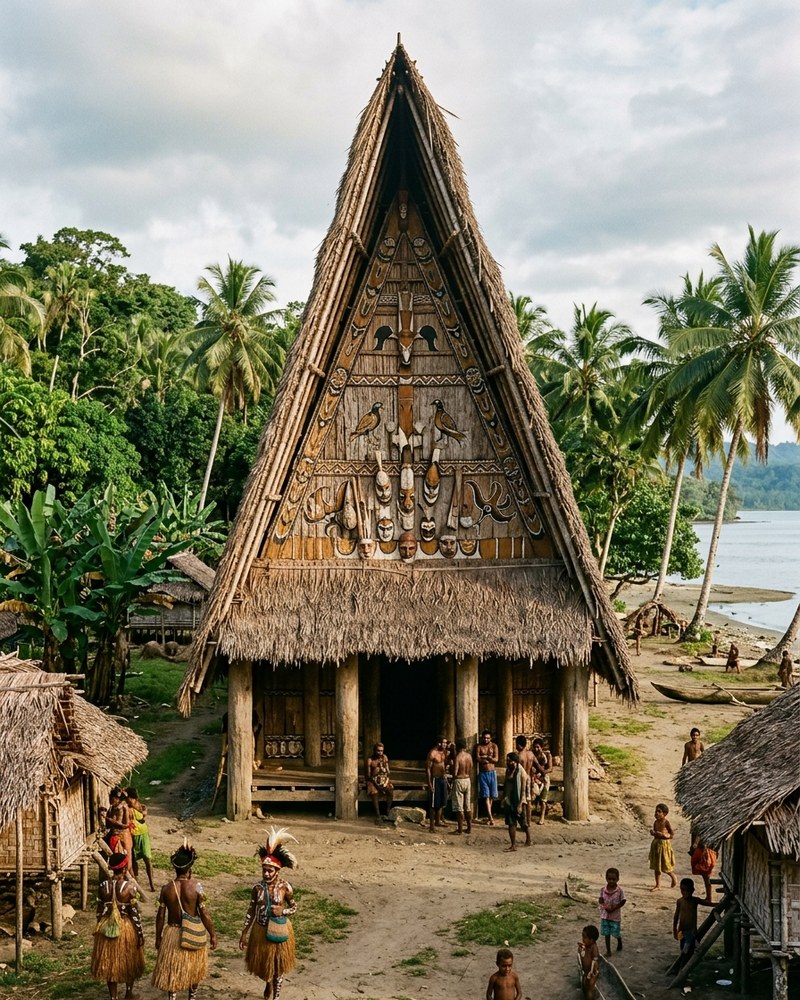
Ceremonial thatched longhouse architecture surrounded by lush coastal tropical greenery
Journey 03

The longhouse country.

Visits to Elema villages along the coast are arranged in advance and led by community members. You'll see the ceremonial house from outside, hear the story of what happens inside, and share a meal. What is offered is what the village chooses to share — arrangements are made through the Gulf-based operators listed here.

DurationFull day
Booking2 weeks advance
GroupMax 4 travellers
Mangrove roots at low tide reflecting in still coastal estuary waters
Journey 04

Birdwatching in the mangrove maze.

The Papuan Gulf mangroves and lowland forests hold hornbills, kingfishers, sea eagles, and — for patient watchers — the great-billed heron at dusk. Papua New Guinea has more than 700 recorded species; a specialist tour is the fast way in.

Duration7–14 days
Best lightDawn or 4pm
GroupSmall group
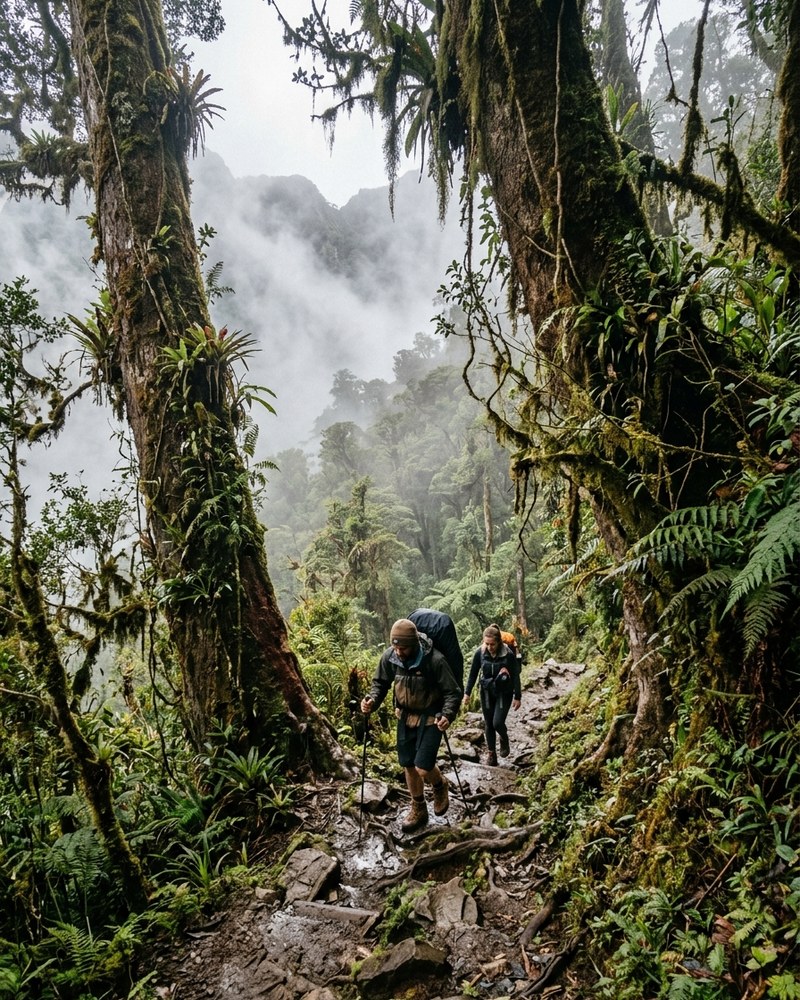
A secluded trekking path through dense misty montane rainforest canopy on the historic Bulldog Track
Journey 05

The Bulldog Track, a shorter walk.

The wartime supply route from Wau to Bulldog station, cut across the Owen Stanley Range in 1942–43. Around 220 kilometres of mountain, river and swamp — walked today only with a licensed trek operator, small support crew, and porter team. Considered harder than Kokoda by those who've done both.

Duration10–14 days
FitnessSerious trekker
SeasonJune–September
§ From the Gulf

What the tide brings.

The Papuan Gulf's estuary — where five great rivers meet salt water — is one of the most productive food systems in the Pacific. A short catalogue of what lives here, and what the delta villages have grown into their kitchens.

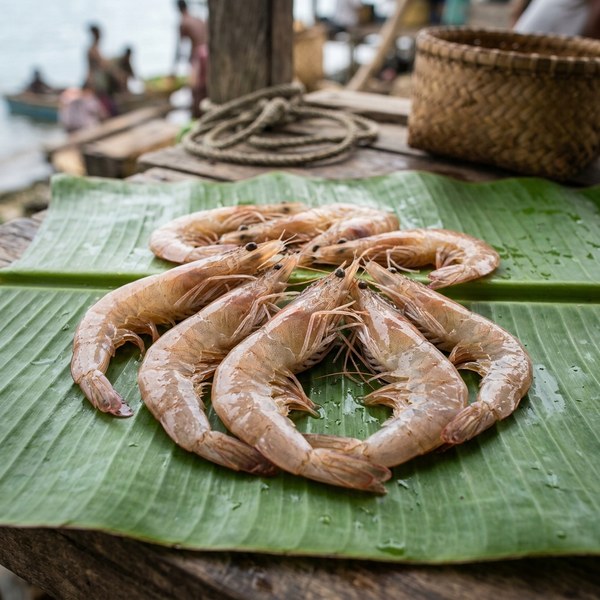
Fresh wild-caught banana prawns (Penaeus merguiensis)

Banana prawn

Penaeus merguiensis

The signature catch of the Gulf. Sweet, firm, and — for a wild-caught prawn from an intact estuary — genuinely rare.

Wild caught · Year round
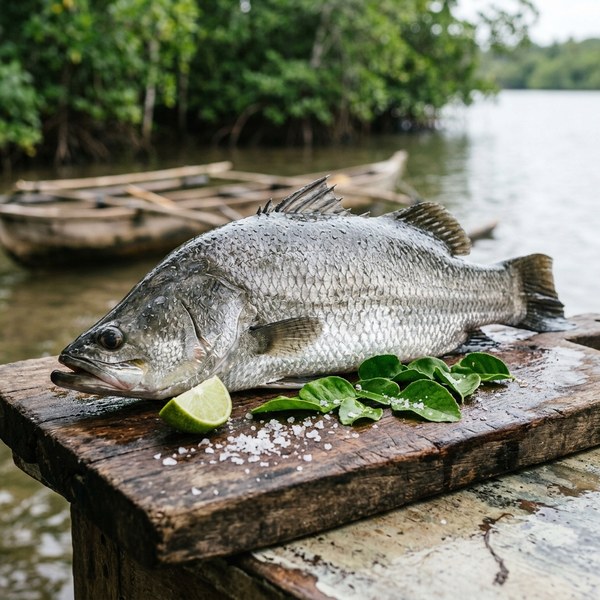
Whole fresh wild barramundi fish (Lates calcarifer) kitchen-ready

Barramundi

Lates calcarifer

A river fish that grows to the estuary and back. White flesh, few bones, holds its shape over coals. The Papuan Gulf barramundi is not a farmed fish.

Wild river-caught
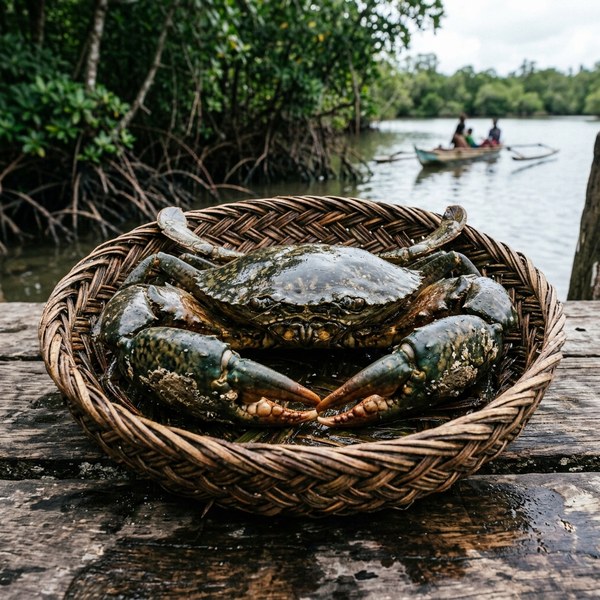
Fresh wild mangrove mud crab (Scylla serrata)

Mud crab

Scylla serrata

The mangrove crab of the delta channels, caught by hand from the roots at low tide. A meal for two per crab, and the meat is the argument.

Wild caught · Mangrove
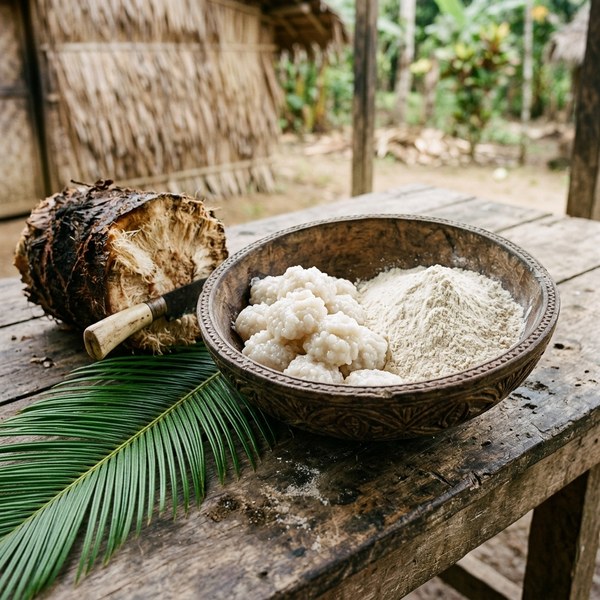
Pounded sago starch (Metroxylon sagu), the traditional staple grain

Sago

Metroxylon sagu

The starch that made the delta livable. Pounded from the pith of the sago palm, cooked into pancakes or dumplings, and the everyday grain of Gulf kitchens.

Everyday staple
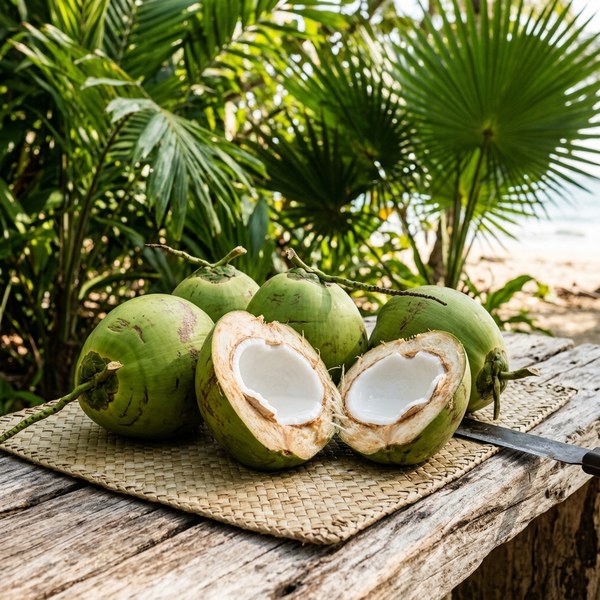
Fresh coastal coconuts split open showing coconut water and flesh

Coconut

Cocos nucifera

Green for the water, brown for the milk, dry for the oil. The coastal groves of the eastern Gulf still produce for local kitchens, not for export.

Coastal groves
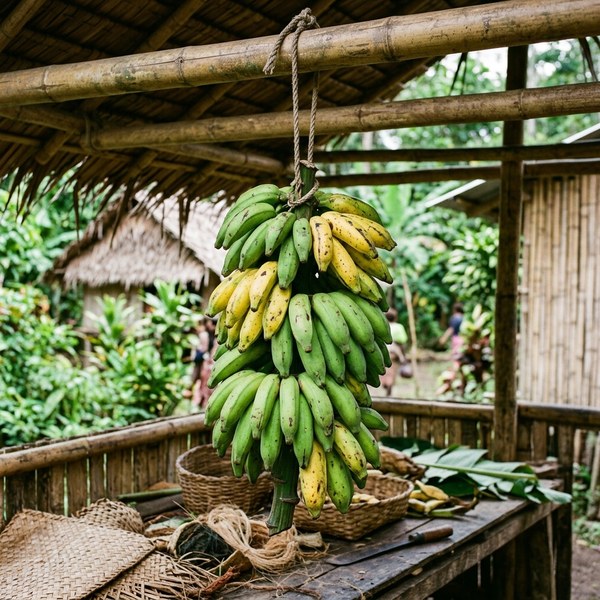
Fresh sweet village bananas harvested from traditional local gardens

Village bananas

Musa spp.

Not the export cultivars — the small, sweet, red-skinned and yellow-fleshed bananas grown for the household. Each village keeps its own varieties.

Traditional varieties
§ Rest

Where you sleep.

A short list of places to stay along the Gulf. Most are simple — a guesthouse, a village room, a lodge on the water. None are hotels in the resort sense. All are the kind of place where the sound at night is the tide.

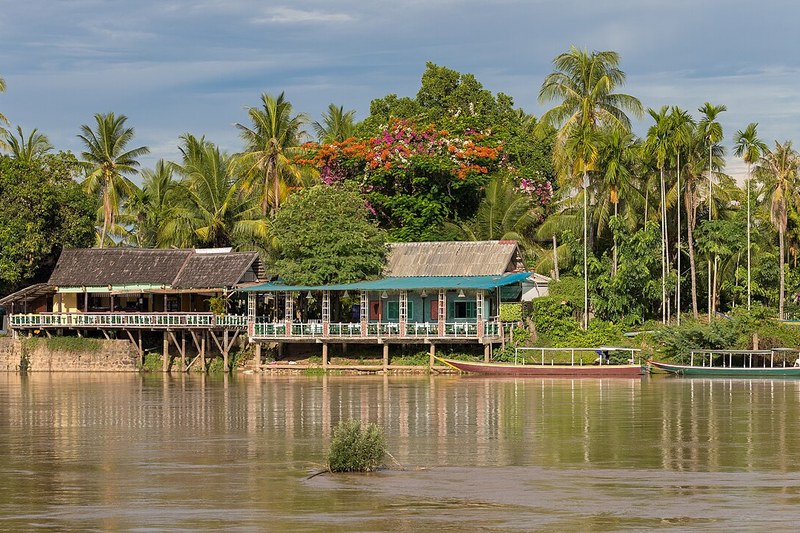
A peaceful wooden verandah looking out over coastal waters at sundown at Sepoe Guest House

Sepoe Guest House

Kerema

Locally owned, in Kerema. The base most travellers use for onward trips along the coast. Rooms are plain and clean; the meals are the reason to book. Listed on the official PNG Tourism operator directory.

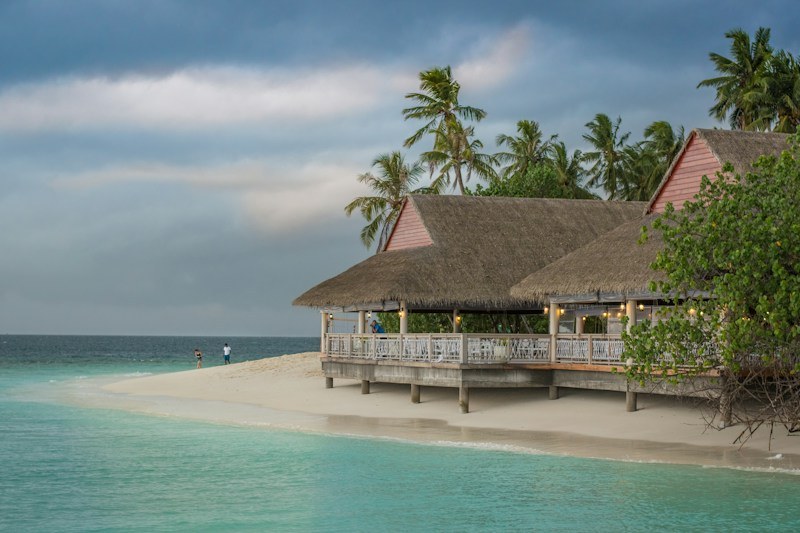
Thatched wooden stilt cabins and walkway over water at Baimuru Fishing Lodge

Baimuru Fishing Lodge

Kikori Delta

The Fly Odyssey-affiliated fishing base at Baimuru, deep inside Gulf Province. Simple cabins, an outfitted boat fleet, and the black-bass rivers on the doorstep. Fishing charter guests only.

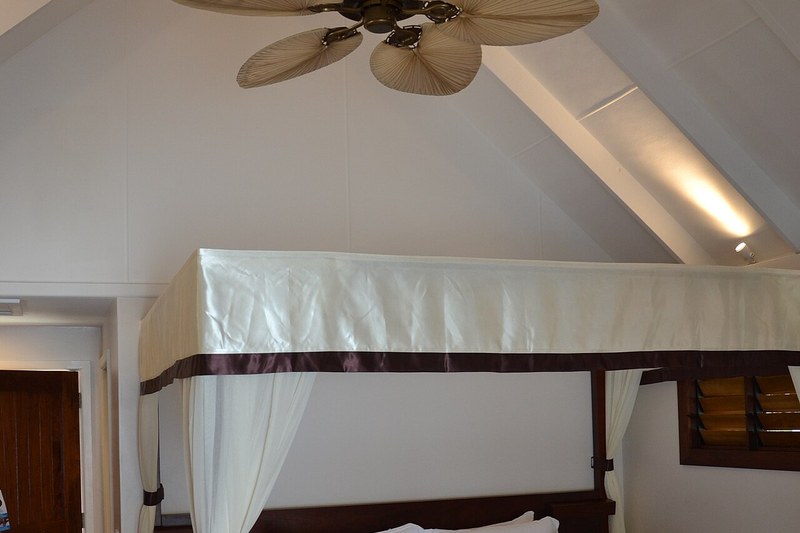
Interior of a traditional coastal village guest room with draped mosquito netting

Village Homestays

Coastal Elema

A rotating arrangement — village families along the coast who take one or two guests at a time. Arrangements are made through Sepoe Guest House or an inbound operator; the fee is set by the household.

Advance booking only · Contact us
§ Practical

What you'll want to know.

How to arrive

Fly to Port Moresby (POM), then take the four-hour road from Port Moresby to Kerema via the Hiritano Highway. Small aircraft serve Kerema airfield for onward inland trips.

When to come

Dry season runs roughly May to October — best for walking, boating and photography. December to March brings the monsoon and the river country turns.

What to bring

Light layers, closed shoes, a hat, insect repellent with DEET, a dry bag for cameras, cash in kina for village transactions. Pack lighter than you think.

Health & safety

Malaria prophylaxis is standard for the delta. Discuss vaccinations with a travel clinic before departure. Travel insurance covering PNG is essential.

§ Asset & Development Notice

This site is currently under development.

This digital platform and brand asset are actively being curated. If you represent an organization, tourism operator, investor, or regional enterprise interested in negotiating ownership or the future acquisition of GulfOfPapua.com, we welcome your inquiry.